Compare Local Contractors for Expert Arborist Pruning Services
Compare local contractors for arborist pruning to define scope, verify experience, and set clear expectations for a successful property improvement.
Arborist pruning services typically encompass a range of tree care tasks aimed at maintaining the health, safety, and aesthetic appeal of trees on residential or commercial properties. This work often includes thinning branches to improve airflow, removing dead or diseased limbs, shaping trees to promote proper growth, and reducing potential hazards caused by overgrown or unstable limbs. Proper pruning can help prevent damage during storms, improve the overall appearance of trees, and support their long-term vitality. When selecting a contractor for arborist pruning, it’s important to clearly define the scope of work to ensure all necessary tasks are covered and expectations are aligned from the outset.
Defining the scope of arborist pruning work plays a crucial role in achieving desired outcomes and avoiding misunderstandings. Property owners should consider specifying details such as which trees need pruning, the extent of trimming, and any particular concerns or goals. Clear documentation can help ensure contractors understand the work required and provide accurate estimates of the effort involved. Additionally, having a written scope can serve as a reference point throughout the project, helping to address any questions or adjustments that may arise during the work process.
Comparing local contractors for arborist pruning involves evaluating several key factors to find suitable service providers. Property owners should look into each contractor’s experience with similar trees and projects, as well as their reputation within the community. It’s advisable to review the scope of services offered, verify that they align with the property's needs, and confirm that the proposed work matches the defined scope. Requesting detailed, written proposals can help compare how each contractor approaches the job and ensure all aspects of the project are clearly outlined. This thorough comparison process supports making informed decisions when selecting a professional for arborist pruning services.
Compare local contractors by outlining your pruning priorities, verifying experience, and clearly defining project expectations.
- Compare Contractors - review local service providers to find the best match for arborist pruning needs.
- Define Scope - clearly outline the pruning work to ensure all expectations are understood.
- Verify Experience - check credentials and past work to assess the expertise of potential contractors.
- Set Expectations in Writing - document the project scope and requirements to avoid misunderstandings.
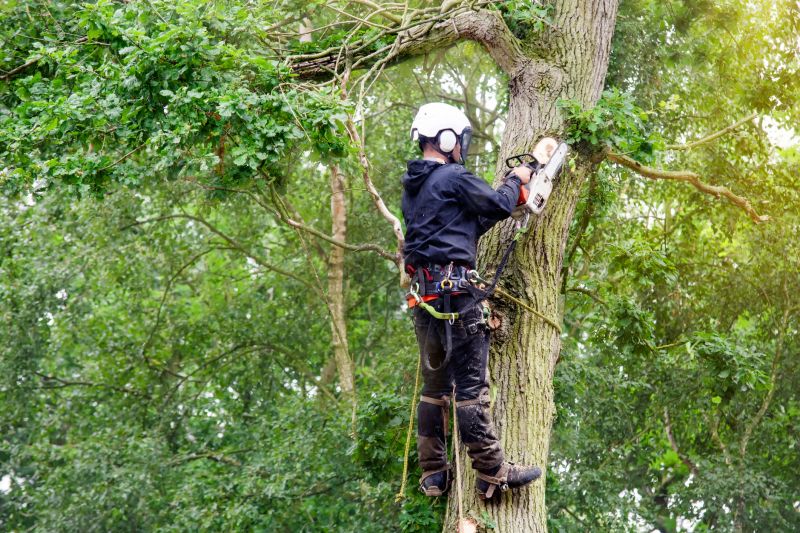
Clearly describe your arborist pruning project to help compare local contractors, define scope, verify experience, and set expectations in writing.
- Verify the contractor’s experience with arborist pruning specific to the types of trees in the project area. - Ensure scope of work is clearly defined and documented in writing before work begins.
- Assess the contractor’s understanding of proper pruning techniques to promote tree health and safety. - Confirm that the scope includes details about pruning goals, such as structural integrity or aesthetic enhancement.
- Check references or reviews to gauge the quality and reliability of the local contractor’s previous pruning projects. - Clarify expectations regarding cleanup and disposal of pruned material in the scope of work.
- Discuss the scope of work to ensure it covers all desired pruning objectives and tree health considerations. - Confirm that the contractor has appropriate equipment and tools for the specific pruning tasks required.
- Compare multiple local contractors to evaluate their approach, experience, and scope clarity for arborist pruning services. - Request detailed written proposals that outline the scope, methods, and any warranties or guarantees.
Compare local contractors, clarify scope, verify experience, and document expectations for arborist pruning.
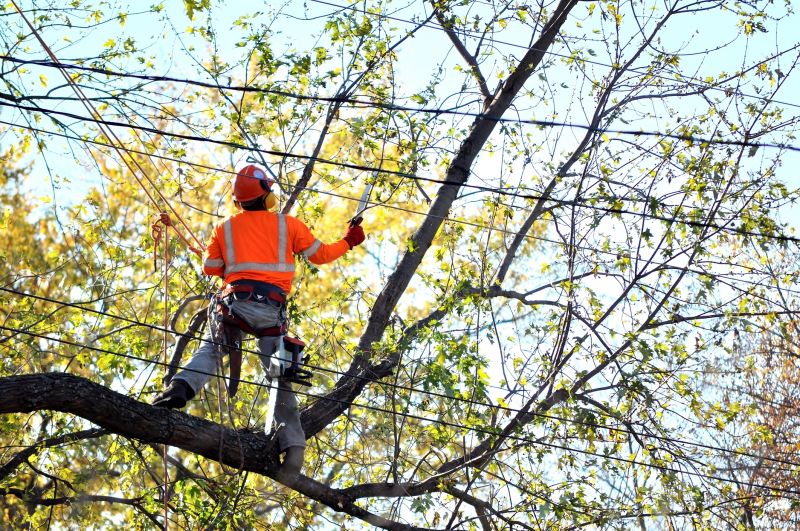
This section helps compare local contractors for arborist pruning by clarifying scope, verifying experience, and setting clear expectations.
- Scope Definition - Clearly outline the specific pruning tasks required, including the types of cuts and targeted areas of the tree.
- Experience Verification - Confirm that the service providers have relevant experience with arborist pruning techniques and tree types.
- Methodology Description - Describe the pruning methods to be used, emphasizing proper techniques and safety considerations.
- Material and Equipment Use - Specify the tools and equipment that will be employed during the pruning process.
- Scope Documentation - Ensure all details of the pruning scope are documented in writing to set clear expectations.
When comparing contractors for arborist pruning, it is important to consider their experience with similar projects. Service providers who have a history of working on trees of comparable size, species, or landscape context can better anticipate the specific challenges involved. Inquiring about their past work can provide insight into their familiarity with various pruning techniques and their ability to handle the unique needs of different trees. An experienced contractor is more likely to understand best practices for maintaining tree health and structure, which can contribute to the longevity and safety of the landscape.
A clear, written scope of work is essential when evaluating arborist pruning services. This document should outline the specific tasks to be performed, including which branches will be pruned, the techniques to be used, and any safety or preservation considerations. Having a detailed scope helps ensure that both the homeowner and the contractor share the same expectations and reduces the potential for misunderstandings. It also provides a basis for comparing different service providers’ proposals, enabling a more informed decision based on the comprehensiveness and clarity of their outlined approach.
Verification basics involve confirming that the service providers have the appropriate experience and understanding of arborist pruning standards. This can include reviewing references or past project descriptions to verify their expertise in similar tree types or pruning techniques. It is also helpful to ask about their process for assessing trees before pruning and how they plan to address potential issues such as disease or structural weakness. Ensuring that a contractor’s approach aligns with accepted arboricultural practices can contribute to the overall health and safety of the trees involved.
When evaluating options, it is useful to compare how each contractor approaches the scope of work and their experience. Look for detailed proposals that clearly specify the tasks, methods, and safety measures they intend to use. Consider the contractor’s familiarity with local tree species and conditions, as well as their ability to communicate the process in understandable terms. Focusing on the clarity of their scope, the relevance of their experience, and their approach to the project can help identify service providers well-suited to meet the specific needs of the landscape, without relying on pricing or timeline considerations.
Ask contractors to provide written scope details to ensure clear expectations and consistent project understanding.
- **Experience and Qualifications** - What experience do local contractors have with arborist pruning similar to your project?
- **Scope of Work** - How do contractors define and clarify the specific pruning services included in their scope?
- **Comparison of Services** - What differences exist between contractors' pruning methods and approaches?
- **Written Estimates and Scope Documentation** - Do contractors provide detailed, written descriptions of the pruning scope and expected outcomes?
- **Experience Verification** - How can you verify the experience and reputation of local service providers for arborist pruning?
What should I consider when choosing a contractor for arborist pruning? It’s important to compare local contractors based on their experience, reputation, and the scope of services they offer. Ensuring clear communication about the work scope and verifying their background can help select a reliable service provider.
How can I define the scope of arborist pruning with a contractor? Clearly outline your goals and the specific trees or areas to be pruned. Discuss these details with the contractor and confirm that they understand and agree on the work to be performed, preferably in writing.
What questions should I ask a contractor about their experience? Inquire about their previous projects, types of trees they have worked on, and their familiarity with pruning techniques. This helps ensure they have the appropriate background for your specific needs.
Why is it important to have the scope of work in writing? Having the scope documented helps prevent misunderstandings, sets clear expectations, and provides a reference for the work to be completed, ensuring both parties are aligned.
How can I compare different contractors for arborist pruning? Review their experience, scope of services, and reputation through references or reviews. Gathering multiple quotes and clarifying the work details can assist in making an informed comparison.
What should I look for in a contractor’s communication? Look for clear, detailed explanations of the work scope, procedures, and expectations. Good communication helps ensure that the project aligns with your goals and reduces misunderstandings.
By exploring the information provided, visitors can gain a clearer understanding of how to evaluate and compare contractors for arborist pruning services. Learning to define the scope of work, verify experience, and set expectations in writing helps ensure the process aligns with individual needs. Utilizing the quote form allows for easy comparison of local service providers, making it simpler to identify options that meet specific project requirements.
Encouraging visitors to take advantage of the quote form empowers them to connect with qualified local contractors who can handle arborist pruning tasks. Comparing available options side by side supports informed decision-making, helping to find the right service provider based on the scope and expectations outlined. This approach simplifies the process of selecting trustworthy local professionals suited to the project.